
back to top
Friday, January 23, 2026
advertise with us
Home Blog Page 209

Over 370 Nigerians Asked To Leave U.S. 

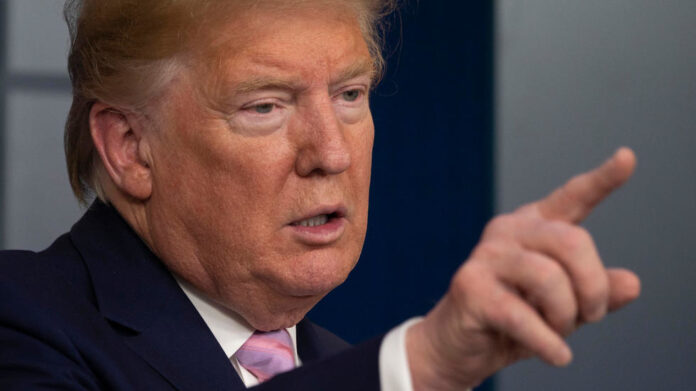
President Donald Trump pictured April 4, 2020 AFP

President Donald Trump
More than 370 Nigerians were ordered to leave the United States this year, after being found guilty of breaking immigration laws and other crimes, data from the U.S. Immigration and Customs Enforcement (ICE) shows.


Data obtained from the ICE and compiled in a June report by a global tracking website on government policy, TRAC, says 376 Nigerians, who mainly resided in Texas, New Jersey, California, New York and others, were served court orders to leave the U.S. between January and June, having been convicted of immigration and criminal charges.

TRAC is a U.S.-based tracking website that keeps databases of immigration, FBI cases and firearms data for public access.

The data referenced in this story was obtained by TRAC and sourced directly from the ICE through FOI requests.

This comes even as the scramble to flatten the spread of COVID-19 continues with the Trump administration’s aggressive immigration policy on immigrants.

Trend

About 3,019 Nigerians were deported from the U.S for criminal convictions in 15 years, starting from ICE’s establishment in 2003 and ending in 2018, a PREMIUM TIMES analysis revealed.

But within the first half of this year, 335 Nigerians violated immigration laws including unlawful entry into the country, overstayed visas, fake documents and many others.

About 41 other Nigerians have criminal records of aggravated felonies such as fraud, drug crimes, sex and firearms offences.

Over time, ‘criminal aliens’ often top the list of priorities when it comes to deportation from the U.S.

Court proceedings

Once a foreign national is arrested for an offence by the Department of Homeland Security, they are tried before an immigration judge, which is often a lengthy legal process. The individual is most often flagged for deportation. Therefore, a deportation case is filed.

Deportation proceedings are conducted to determine whether the individual charged with violating immigration laws should be removed from the U.S. By removal, it means deportation.

During the proceedings, the individual could appeal the case and the term could be lessened to a voluntary departure but this does not provide for alternate erasure of criminal records.

The individual could be allowed to remain in the country if the judge finds the charges against him or her are not sustained or the government requests that the charges be dropped, as well as where the judge finds the other provisions in the immigration law entitles the individual “relief” from removal.

Between January and June this year, 2,700 deportation cases involving Nigerians were filed with immigration and criminal charges; the outcome of the court proceedings showed that 376 Nigerians were ordered deported.

Nigeria fell behind Cameroon which had the highest figure among the African countries – 647 – and was ahead of Democratic Republic of Congo and Ghana which had 229 and 175 deportees respectively.

Concerns

But there are concerns by human rights activists that the U.S. may be brewing another crisis over the rights of the planned deportees who are reportedly kept in detention facilities across the country.

The 376 people are among the 901 Nigerians being held in detention facilities across the U.S., according to the 2019 report by ICE. No report of extradition of these deportees has been made yet.


However, in the wake of the coronavirus pandemic, the Human Rights Watch had urged the ICE to halt involuntary transfers of foreign nationals between facilities, and put in place policies at detention centres “that would allow safe social distancing and effective hygiene for as long as detainees remain in custody”.

“The U.S. government should not force deportees to travel so long as it puts them and their communities at heightened risk of COVID-19,” the Human Rights Watch said.

“Despite outbreaks of COVID-19 in U.S., immigration detention centres and government travel restrictions the world over, the U.S. has continued deportations with little regard for the consequences,” the US program director at Human Rights Watch, Nicole Austin-Hillery, said.

“With these reckless deportations, the Trump administration is contributing to the spread of COVID-19 and endangering public health globally.”

Repatriation, new threat?

Aside from the threat of importing COVID-19 into Nigeria, there are fears that the repatriation of the Nigerians could be detrimental to the West African country.

This is because Nigeria has no well-grounded structure for the reintegration of such people into the society, a Nigerian diplomatic analyst said.

“The truth is that the government, who is a major stakeholder in these deportation troubles, is unperturbed and unconcerned. Once deported and profiled, they are left to go on their own,” Gbemisola Lawal said.

“With the rate of unemployment expected to soar and a possible slip into recession after the pandemic, there is little hope for the returnees to start life afresh without having to take to criminal acts again because they may constantly feel dejected,” she adds.

Nigerian government reacts

When asked about the government’s plans as regards the deportation orders on the convicted Nigerians by the U.S. government, an official of the Nigerians in Diaspora Commission (NIDCOM) said he had no comment since “it has not taken place yet.”

This is according to the commission’s spokesperson, Abdul-Rahman Balogun, who spoke with PREMIUM TIMES.

“This 376 deportation proceedings outcome you claimed for this year alone, has not taken place. Until then, I can’t say more,” Mr Balogun said.


Attempts to get the reaction of the Nigerian Immigration Service were unsuccessful as calls and messages sent to the spokesperson, Sunday James, were not responded to.

Premium Times
Ondo 2020: PDP Chieftain Asks Court to Disqualify Deputy Governor

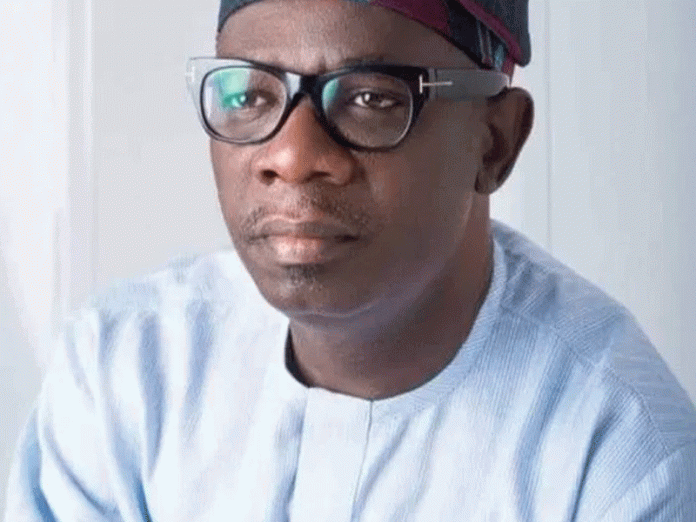
Mr Agboola Ajayi
  • Panel recommends rejection of doctored delegates list

James Sowole in Akure

A chieftain of the Peoples Democratic Party (PDP) in Ondo State, Mr. Konstante Olopele has asked an Ondo State High Court sitting in Akure to disqualify the Deputy Governor, Mr. Agboola Ajayi from participating in the party primary election scheduled to hold on July 22 over alleged age falsification and perjury.

Based on the report of a three-man probe panel headed by a former Gombe State Governor, Alhaji Ibrahim Dankwambo, the PDP National Working Committee (NWC) has dropped the doctored delegates’ list that stoked undue apprehension in the ranks of the state chapter.

In Suit No: AK/45M/2020 filed by AMAC Solicitors on Friday, Olopele, who sued for and behalf of other concerned members, averred that the deputy governor had breached the code of conduct for public officers.

The plaintiff, therefore, asked the court to disqualify him from holding any public office for a period of ten years for alleged breach of Section 1, 5th Schedule, Part 1 of the Code of Conduct for Public Officers.

Olopele, also a legal practitioner, claimed that Ajayi breached Section 9 of the constitution of Federal Republic of Nigeria, 1999 (as amended).

He, further, claimed that Ajayi had breached the extant laws that are regulating WAEC and Nigerian Law School attendance while he was serving as elected Local Government Chairman and member of the Federal House of Representatives respectively. The court will hear the suit on Tuesday.

On delegates list, a NWC member revealed that the party leadership rejected the doctored list due to the recommendations of a three-man probe panel headed by Ibrahim Dankwambo.

Up until last week, the party had been embroiled in internal crisis, over an allegation that 104 names were substituted in the delegates’ list, and replaced with proxies of the state’s deputy governor, who recently defected to the PDP from the All Progressives Congress (APC).

Though Ajayi denied involvement in the scam, the party, last week, dispatched the Dankwambo panel to Akure, the state’s capital, to solve the riddle.

The NWC member, who spoke on the doctored delegates list in confidence, said the Dankwambo panel, after having painstakingly read through the old delegates list and the newly presented one, spotted the 104 illegal names and knocked them off.

He said: “Following this, it returned to Abuja with the original list to be used for Wednesday’s primary, and also made far-reaching recommendations to the NWC.”

One of the recommendations, according to him, is that the old delegates’ list be adopted for Wednesday’s primary election.

The panel, he added, also appealed that Ajayi, the man in the eye of the storm in the list-doctoring saga, should be forgiven and assimilated fully into the party, despite that he is a newcomer.

Another party source, however, told THISDAY yesterday that the deputy governor, only submitted his secondary school certificate to the party, as his only qualification in the run-up to the PDP primary election.

ThisDay

COVID-19: Kwara Govt Quarantines 50 People Arrest At Night Club

Kwara Senator, Eight Others Arrested Over Alleged Killing Of Two
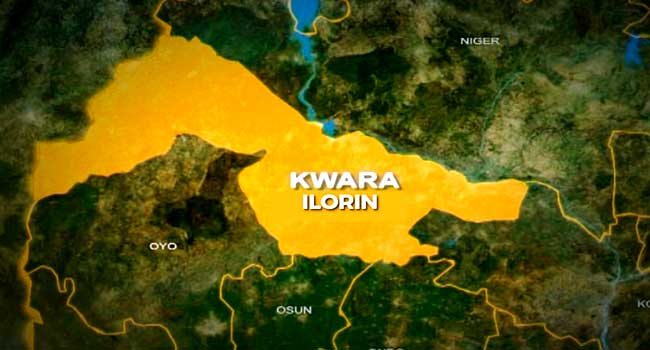
a map of Kwara State.

No fewer than 50 people have been arrested by officials of the Kwara State Technical Committee on COVID-19 at a night club in Ilorin, the state capital.

The Chairman of Medical Advisory Committee on COVID-19 in the state, Dr Femi Oladiji, disclosed this on Saturday at the state’s quarantine centre in Ilorin where the suspects were kept.

He explained that the operation was led by the state Deputy Governor and Chairman of the Technical Committee on COVID-19, Mr Kayode Alabi.

“Around 1:00am, we got information that some people were clubbing at Kwara Hotel.

“The deputy governor, in my accompany and some security officials, raided the club and we arrested so many boys and girls within the age range of 20 to 30,” Oladiji was quoted as saying in a statement by Rafiu Ajakaye, the Chief Press Secretary to the Governor and spokesman for the technical committee.

He added, “Around 2:00am, we brought them to the Hajj camp (Quarantine Centre). We made them comfortable overnight, and early this morning, we took their samples for COVID-19.

“The arrest, which may lead to prosecution, is to send the signal that we cannot tolerate such conduct. Violations will henceforth attract a strong response from the government.”

The commissioner insisted that the ban on night clubbing remained in force to prevent the further spread of the virus in the state.

He stressed that the action of the clubbers violated the Kwara State Infectious Diseases Regulations, 2020, as well as the government’s subsisting ban on congregation beyond 20 people.

Oladiji, however, noted that this excluded places of worship where preventive measures have been put in place in agreement with religious leaders.

According to him, the government is considering other measures, including enforcement of the use of face mask in public to flatten the curve of transmission of the virus.

“The government will take appropriate actions against any officials of the hotel found to have authorised the violation of the existing ban to send the signal that such behaviour will not be tolerated,” the commissioner said.

By Abdulhakeem Garba

Four hardest punchers in boxing history: George Foreman’s List.

By Kazeem Ugbodaga

Former undisputed heavyweight boxing champion, George Foreman has named his four hardest punchers in boxing history.

Foreman, 71, who was known as the hardest puncher in his era did not list himself as one of the four, even when he is expected to do so.

Rather, he named Joe Louis as the hardest puncher in boxing history, followed by Liston, Lennox Lewis and Mike Tyson.

Foreman did not include Deontay Wilder, who is a knockout specialist.

“Joe Louis was the hardest puncher ever; Liston make the cut as well as Lennox Lewis. Mike Tyson. Nothing special about me,” he said on his twitter page.

Foreman, who had 81 professional fight, recorded 68 knockouts and lost five times.

No one could have claimed to be the hardest puncher in boxing history than Foreman, but he humbled himself and chose others.

Joe Louis, whom Foreman claimed to be the hardest puncher had 69 fights, scoring 52 knockout and suffering three loses.

Sonny Liston, who is second, according to Foreman’s ranking had 54 fights with 39 knockouts and four loses.

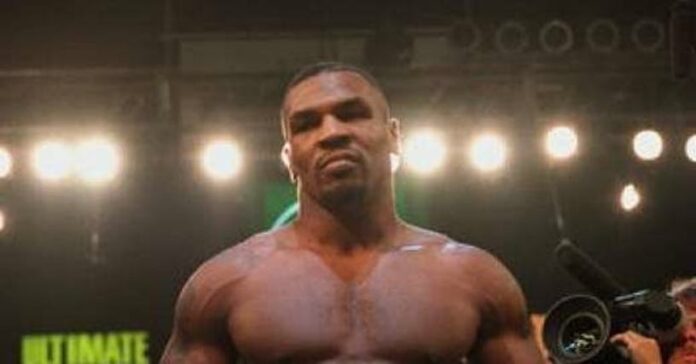
Lennox Lewis had 44 fights, with 32 knockouts, losing two and one draw, while Mike Tyson, known then as the ‘baddest man’ fought 58 times, with 44 knockouts.

Lewis, Tyson, Louis and Liston

Former undisputed heavyweight boxing champion, George Foreman has named his four hardest punchers in boxing history.
Foreman, 71, who was known as the hardest puncher in his era did not list himself as one of the four, even when he is expected to do so.

Rather, he named Joe Louis as the hardest puncher in boxing history, followed by Liston, Lennox Lewis and Mike Tyson.

Foreman did not include Deontay Wilder, who is a knockout specialist.

“Joe Louis was the hardest puncher ever; Liston make the cut as well as Lennox Lewis. Mike Tyson. Nothing special about me,” he said on his twitter page.

Foreman, who had 81 professional fight, recorded 68 knockouts and lost five times.

No one could have claimed to be the hardest puncher in boxing history than Foreman, but he humbled himself and chose others.

Joe Louis, whom Foreman claimed to be the hardest puncher had 69 fights, scoring 52 knockout and suffering three loses.

Sonny Liston, who is second, according to Foreman’s ranking had 54 fights with 39 knockouts and four loses.

Lennox Lewis had 44 fights, with 32 knockouts, losing two and one draw, while Mike Tyson, known then as the ‘baddest man’ fought 58 times, with 44 knockouts.

Tens Of Thousands Stage Anti-Kremlin Protest In Russia

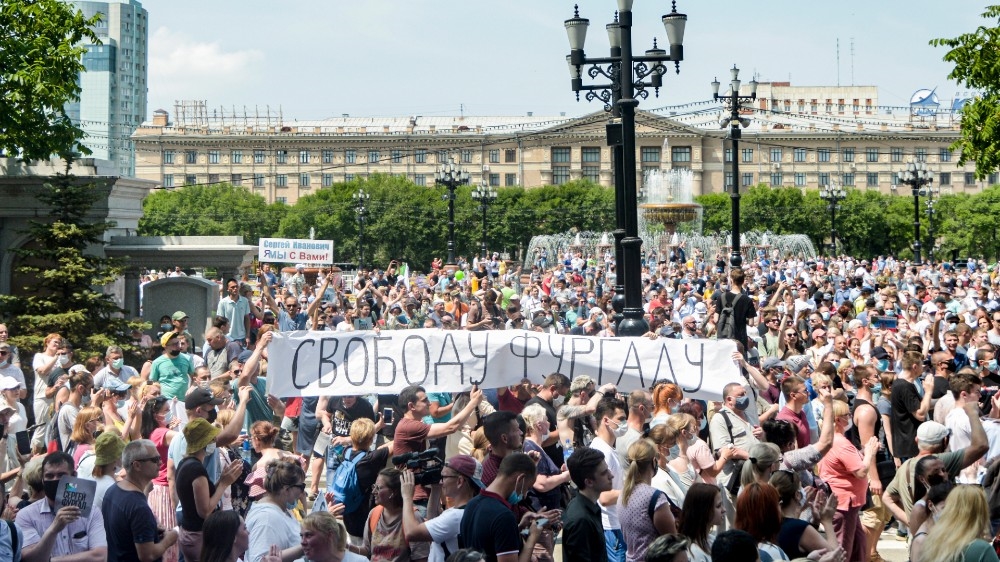
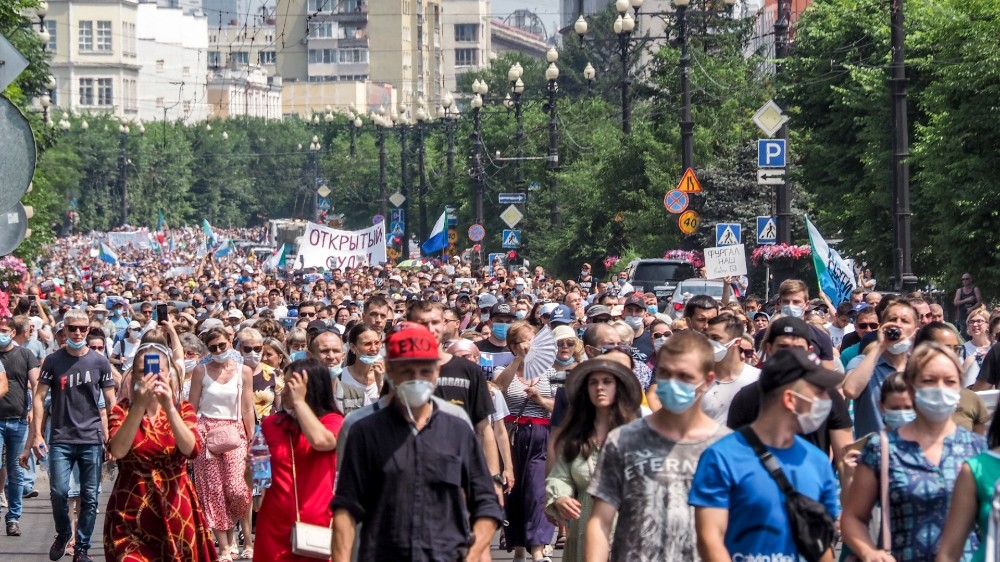
Rally in Khabarovsk city attracts more than 15,000 people protesting against arrest of Governor Sergei Furgal.

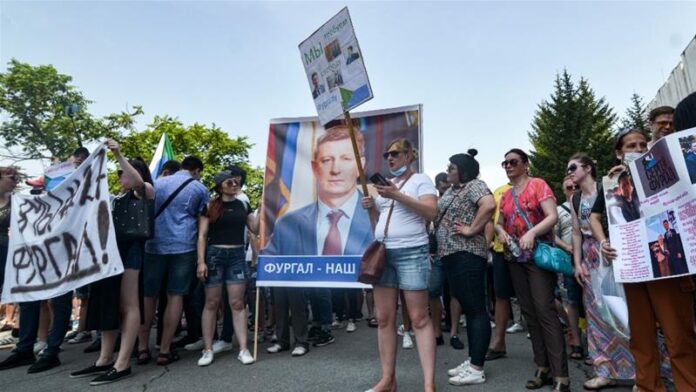
Tens of thousands of people rallied in Khabarovsk in a rare show of defiance against the Russian government [Aleksandr Yanshev/AFP]

Local media estimated the rally in the city 6,100km (3,800 miles) east of Moscow on Saturday attracted more than 15,000 people.

Khabarovsk’s Governor Sergey Furgal was arrested two weeks ago and flown to Moscow where he was put in jail for two months.

The huge rallies in the city of Khabarovsk on the border with China present a growing concern for the Kremlin, observers say, and come after President Vladimir Putin this month oversaw a controversial vote that allows him to extend his hold on power until 2036.

It is the second large-scale protest in the region over the past seven days, following on from a rally in the city centre last Saturday.

Russia protest
People hold a banner reading ‘Freedom for Furgal’ during a rally in support of Sergei Furgal, governor of Khabarovsk region who was arrested a week ago [Aleksandr Yanyshev/AFP]

Both demonstrations are reported to be the largest in the history of Khabarovsk, a city with a population of 590,000.

While many expressed support for the arrested politician, some of the protest signs and chants were distinctly anti-Putin.

Smaller rallies also took place in nearby cities and towns including Komsomolsk-on-Amur and Amursk and the Pacific port of Vladivostok in next-door Primorsky Krai region.

In rallies that lasted several hours, the crowds also massed outside the building housing the regional administration, chanting “Freedom!”

Protesters carried placards reading “Freedom for Furgal!” and cried out “As long as we are united, we are invincible”, as passing cars honked horns in support.

‘We need him’

Demonstrators praised the arrested governor, saying he has done a lot for the region over the past two years.

“I am defending him because I am fond of him,” said Anatoly Svechin, a 49-year-old Cossack, a member of the paramilitary group traditionally loyal to the Kremlin.

Another protester, Gennady Vasin, called the governor’s detention an example of “political arbitrariness”.

“We don’t want Sergei Ivanovich to be taken away,” said Gennady Yakovlev, using Furgal’s first name and patronymic. “We need him, we elected him.”

Russia protests  in far east 5
Furgal’s unexpected victory in the gubernatorial election reflected growing public frustration with President Vladimir Putin’s policies and marked a big setback for the main Kremlin party, United Russia [Igor Volkov/AP]

Furgal’s unexpected victory in the gubernatorial election reflected growing public frustration with President Putin’s policies and marked a big setback for the main Kremlin party, United Russia.

Many of the protesters say the charges are politically motivated and question why investigators waited so long to accuse a public official who should have undergone background checks.

Investigators say Furgal organised the murders of several businessmen in the Far East in 2004 and 2005.

The protesters called for a “fair trial” for the governor, and not in Moscow, where he is being held since his arrest.

“He’s our governor! And we will defend him,” they shouted.

As with previous protests, the rally was not approved by the authorities, but police made no moves to disperse it.

Russia’s main opposition leader Alexei Navalny cheered the protests and posted a message on social media site Instagram heralding the city of Khabarovsk for refusing to “believe Putin’s endless lies about the ‘justice’ of his courts and the ‘honesty’ of his elections”.

Source: News Agencies

Gunmen Kidnap, Release Widow Of Former Edo Speaker

Gunmen on Saturday kidnapped the widow of Alhaji Zakawanu Garuba, a  former Speaker of the Edo State House of Assembly, a few hours after he passed on in Abuja.

Also kidnapped  was the couple’s driver.

Mrs Hassana Garuba who is a magistrate  and the driver were abducted  at Kabba, Kogi State,on their way to Auchi,the home town of the deceased to prepare for his burial.

She was however  released last night.

Mrs Garuba was in the company  of  three of her children and her aged mother in law when the hoodlums struck..

The wife and driver of former Edo Speaker, Late Zakawanu Garuba, were on Saturday kidnapped along the Lokoja-Abuja highway.

They were said to be on their way to Auchi, Edo State for burial of the former Speaker when the incident occured.

This is the second time Mrs.Garuba would be kidnapped,the first being five years ago when she was  working as a magistrate in Benin.

A huge ransom was paid to get her  released.

She subsequently relocated to Abuja.

Reacting to the development last night before Hassana’s release a shocked Governor  Obaseki asked the police to step in immediately to rescue the kidnapped persons.

Obaseki in a statement through  his Special Adviser on Media and Communication Strategy, Crusoe Osagie, said a rescue operation had commenced immediately the incident was brought to the attention of security agencies in Edo state, while the Police Commissioner, Babatunde Kokumo, was working with his Kogi state counterpart to ensure the victims’ rescue.

Police Inspector General Mohammed Adamu had ordered the Kogi State Commissioner of Police to ensure Hassana’s  immediate rescue from the kidnappers.

Governor Yahaya Bello was also said to have put out some word “on the street”

Details of her release were not immediately known

The late ex-speaker was on an employee  of the Security and Exchange Commission (SEC).

He was born on August 23, 1965 and held the chieftaincy title of  Oshioze of Auchi Kingdom.

He will be laid to rest today in his Auchi residence.

When contacted, Kogi Commissioner of Police (CP), Ayuba Ede, said he received information of the incident around Okene.

Zakawanu Garba, 54, died in Abuja today of COVID-19 complications.

He was a lawyer and speaker of the Edo Assembly between 2007 and 2010.

In other news, the Edo State Governor, Mr Godwin Obaseki, has mourned the passing of former Speaker of the Edo State House of Assembly, Rt. Hon. Zakawanu Garuba. In a statement, the governor said the former Speaker’s death is “a deep personal loss….”

Their abductors were said to have let go of the mother.

The Nation

Congressman John Lewis Has Died at Age 80

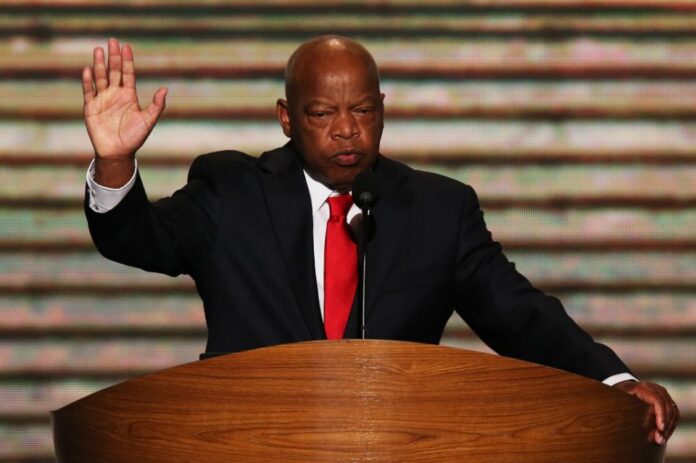
CHARLOTTE, NC - SEPTEMBER 06: U.S. Rep. John Lewis (D-GA) speaks on stage during the final day of the Democratic National Convention at Time Warner Cable Arena on September 6, 2012 in Charlotte, North Carolina. The DNC, which concludes today, nominated U.S. President Barack Obama as the Democratic presidential candidate. (Photo by Alex Wong/Getty Images)
CHARLOTTE, NC – SEPTEMBER 06: U.S. Rep. John Lewis (D-GA) speaks on stage during the final day of the Democratic National Convention at Time Warner Cable Arena on September 6, 2012 in Charlotte, North Carolina. The DNC, which concludes today, nominated U.S. President Barack Obama as the Democratic presidential candidate. (Photo by Alex Wong/Getty Images)


Rep. John Lewis has died at age 80. The civil rights icon and seasoned congressman had been battling stage four pancreatic cancer. On July 17, House Speaker Nancy Pelosi confirmed the news of Lewis death. Lewis served as the U.S. Representative for Georgia’s Fifth congressional district since 1986, and was known as a champion of the civil rights movement, playing a key role in the March on Washington in 1963 with Martin Luther King Jr. He announced last December that he had been diagnosed with pancreatic cancer during a routine medical exam and was seeking treatment.

Barack Obama and More Public Figures Pay Tribute To Civil Rights Leader John Lewis

“He loved this country so much that he risked his life and his blood so that it might live up to its promise.”

Trump orders flags to be lowered at White House and official buildings in ‘mark of respect’ for late civil rights icon Rep. John Lewis

President Donald Trump wrote in a Saturday afternoon tweet that he was “saddened to hear the news of” Lewis’s passing Friday.

Leaders from Around the World Are Paying Tribute to John Lewis

Figures from Barack Obama and Joe Biden to Emmanuel Macron and Malala Yousafzai are commemorating the civil rights leader.

After hours of silence, Trump tweeted that he was ‘saddened to hear the news’ of John Lewis’ death

President Donald Trump reacted to the death of John Lewis, hours after the civil rights icon’s passing was announced.

More than 398,000 people have now signed the petition to rename the Edmund Pettus Bridge after late civil right icon John Lewis

“John Lewis was a titan of the civil rights movement whose goodness, faith and bravery transformed our nation – from the determination with which he met discrimination at lunch counters and on Freedom Rides, to the courage he showed as a young man facing down violence and death on Edmund Pettus Bridge, to the moral leadership he brought to the Congress for more than 30 years,” Pelosi said in a statement.

Yerin Kim

COVID-19: India donates essential medicines to Nigeria

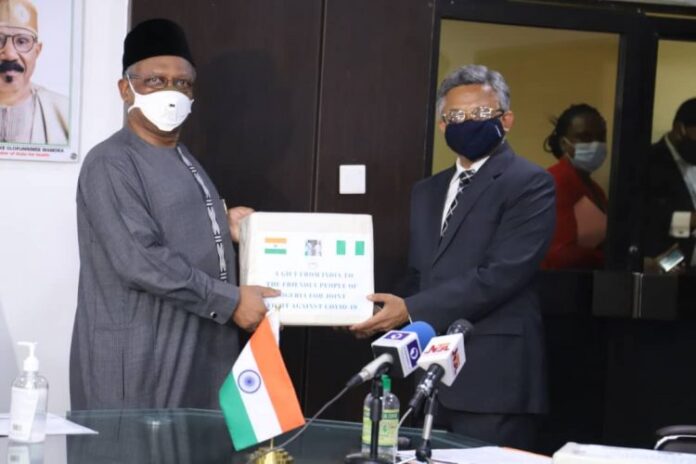
Minister of Health, Dr. Osagie Ehanire, receiveibg essential COVID-19 medicines from Abhay Thakur

India has donated essential medicines worth 50 million dollars to African countries as part of the country’s collaboration with Africa to combat the COVID-19 pandemic.

The High Commissioner of India to Nigeria, Mr Abhay Thakur, disclosed this in an interview with newsmen in Abuja after he donated some items to the Federal Government.

The Government of India had on Friday donated seven tonnes of consignment of essential medicines, including hydroxychloroquine and antibiotics to Nigeria.

The seven tonnes of consignments (586 cartoons) were received by the Minister of Health, Dr. Osagie Ehanire, on behalf of the Federal Government.

The envoy said it would be very difficult to put a cost on the items donated, noting: “I will say for the whole of Africa, our donation is more than 50 million dollars.

“I am talking about the whole of Africa.”

Thakur said India would be willing to collaborate with Nigeria on the production of the COVID-19 vaccine, as the country had made some progress in the development of the vaccine.

He said “there are many centers in India where serious work and research is happening; there are institutions that are working across India to produce vaccine.

“One of the most promising one is developed by one of the institutions and has already gone into the first phase of testing; we hope phase two will start soon.

“We hope to hear encouraging news about COVID-19 vaccine on the forthcoming India independence day, which is on Aug. 15.”

The envoy said India would continue to support Nigeria in building the capacity of its human resources as it continued to offer e-ITEC training ( Indian Technical and Economic Cooperation).

“We are offering short online webinars on COVID-19 management and research; there are about 10 programmes; we are working together and we will continue to do so.

“So far, 14 Nigerian medical professionals have benefited from online courses on COVID-19 management strategies in Africa.

“Our focus now is on capacity building but we can expand to research. I will take this message home and encourage some of our researchers to work with Nigeria on medical research.’’

He expressed optimism that the measures taken by the two countries had helped to manage the spread of COVID-19.

“In fact, I will like to mention here what President Muhammadu Buhari said in his speech in early May that India had taken strong measures and very strong lockdown measure to curb the virus.

“The exchange of experience is very important and we look to each other in combating this pandemic.

India had been enjoying longstanding, multifaceted, friendly relations and deep-rooted bilateral relations with Nigeria since it established its Diplomatic House in Lagos in November 1958, two years before Nigeria became independent on Oct. 1, 1960.

PM News

Buhari renames Agbor Railway Complex after Goodluck Jonathan

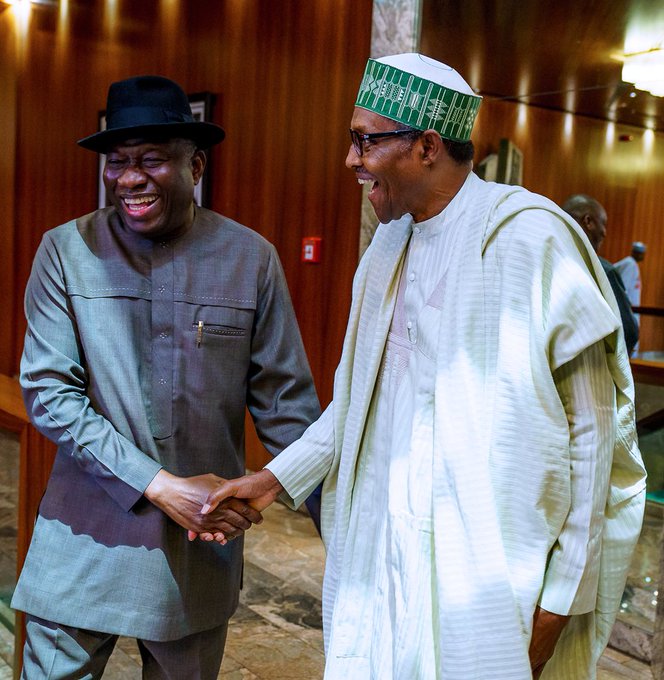
Buhari, right, honours Goodluck Jonathan

Agbor Railway Complex, the operational hub of the Itakpe-Warri rail line will now be known as Goodluck Jonathan Railway Station & Complex

President Muhammadu Buhari approved the renaming, according to presidential aide, Tolu Ogunlesi.

The news was confirmed by Transport Minister, Rotimi Amaechi in another tweet:

The Itakpe-Warri rail line is 320km long and links Warri in Delta State to Ajaokuta in Kogi State. It passes through three states, Delta, Edo and Kogi.

Agbor, the hub is in Delta.

There are 12 stations between Itakpe, Ajaokuta, and Warri.

The stations are: Eganiy; Adobe; Itogbo; Agenebode; Uromi; Egehen; Igbanke; Agbor; Abraka; Okpara and Ujewu stations.

The rail line was built to move iron ore from mines around Itakpe to the steelworks at Ajaokuta, but was abandoned.

PM News

Traders, Others Get Sack Notice Over National Theatre Take over

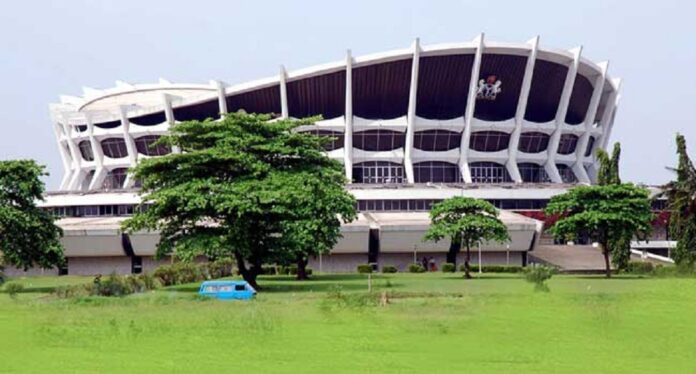
AUTHORITIES of the National Theatre have confirmed that residents of Lagos State currently make a living operating fun spots and relaxation joints on the premises of the premier theatre centre would soon be ejected to give way to a hotel, which will be part of the takeover by Nigerian bankers who were recently handed the edifice in a partnership deal with the Federal Government.

Public Relations Officer of the theatre, Steve Ogundele, exclusively told Saturday Tribune that the plan of the Federal Government was to turn the theatre into an entertainment city. He disclosed that the present relaxation spot where the popular fun spot, Abe-Igi Arena, is situated, is the proposed site for a hotel, which has made it compelling for relaxation spot operators and other traders to vacate the premises.

He said: “The handing over on Sunday has put rumour of selling the National Theatre to rest. The Federal Government has given approval to the Central Bank of Nigeria and the Bankers’ Committee to revamp and develop existing structures and the fallow land. This has put a stop to the rumoured privatisation of the edifice which upon completion would include four hubs of film and music; hubs for film and music productions from start to finish, a computerised fashion hub where film industry can be complemented, a welcome house which is a kind of reception where visitors to the theatre will lounge before going to the cinema hall and an IT hub where information technology facilities are installed for the use of the public.

“These make room for healthy competition and a healthy development for both the staff and visitors to the facility and the development of the cultural centre. It is going to be to the benefit of all stakeholders. Why did I say that? This is a free-market economy. Why we are looking at that is because this is owned by the government and everything is being controlled by the government and it is supposed to be subsidised. But I can tell you that this edifice is still in the hands of the Ministry of Information and Culture and the board and management of the National Theatre. Therefore, nothing will change in the running of the theatre, although its use might attract some extra cost because of the modern technology that is going to be installed. The main national theatre is not going to run as a profit-making venture.

“It is not going to be run by the CBN and the Bankers’ Committee. What they get is just the hubs where they are going to get back the money they invested. So, if you are going to patronise the hub, you have to pay. But for movie practitioners and other artistes, well, it might be subsidised. This is PPP and the private part of the arrangement has nothing to do with the government because that is where they are going to make back the money they invested on the project. It still has to be pocket-friendly but they also have to know that people from outside the country will be patronising us as well. We go to South Africa to shoot and edit.  We go to London to shoot and edit and we pay in foreign currency. So, when these people come to Nigeria to shoot and edit, are they going to be paying a pocket-friendly price, too? No!

“But of course, there is going to be some level of understanding between us and the hubs for them to know and identify our members for consideration. There could be some level of price differentiation that would favour stakeholders within the country, compared, to external persons but we cannot determine what price is going to be paid on services. What you probably don’t know is that the National Theatre has a master plan. This is coming into play in this PPP arrangement because it will attract more investors that are coming in to complete the master plan arrangement which include car park, shopping mall and a five-star hotel and a water garden and the rest of them.”

While the rest of the world, including Governor Babajide Sawo-Olu, is applauding the partnership as a step in the right direction, some Lagos citizens are already in agony of the bleak future staring them in the face as they are gradually being taken out of the picture of what the centre would be in the near future.

Mosunmola Amidu, a retailer at the popular relaxation spot located within the premises known as Abe Igi Arena, said the upgrade of the edifice is farewell to her cool-spot business which was handed over to her by her mother. Amidu was sitting with her friend at the front entrance of her relaxation spot ruminating on the way out of the renovation quagmire when Saturday Tribune walked up to them to share their thoughts on the new development. “It is as if you were reading our lips when you were walking towards us. The question you asked was the subject of our discussion” the duo exclaimed.

Amidu explained further: “The truth is that I doubt if we will be retained here. I know that once the National Theatre is upgraded to international standard with modern facilities, architecture and lightings, definitely, this kind of setting (referring to her relaxation spot) will no longer fit in. I am sure plan for the construction of a five-star hotel, modern relaxation spot and shopping mall would be included in the new design. When it eventually commences, we will be thrown out of the premises. I have been trading here for over 40 years. I took over the business from my mother. I think the best the government could have done is to relocate us to avoid the negative effect of such upgrade which is job loss.

“For me, I don’t want to be caught unawares and as such, I have been thinking of a way out. But if God says we are still going to be earning our daily bread here, the government would retain us but if not, we just have to move on. Even before the planned renovation, the COVID-19 pandemic has drastically affected our sales. It is not booming as when national theatre was in its glory days. Back then, on a normal day, National Theatre was fun seekers’ first choice. I would drive in and collect N20,000 to entertain myself but now I dare not remove N2,000 from the daily sale. That tells you how bad things have become. This is further complicated by the low productivity level of the National Theatre because when it was operating at maximum level, the patronage level was high.”


Traders, artists should be relocated, not evicted –Rights advocate, Onifade

Critic and rights advocate, Mufu Onifade, is of the view that a sense of accommodation would serve all. Speaking on the fate of the traders whose activities have kept the centre alive for the years the National Theatre was neglected by successive administrations, the former convener of the Coalition of Nigerian Artistes said rather than dislodge fine artists and traders within the premises, the government should try to resettle them. According to him, apart from traders and operators of relaxation joints, prominent fine artists and theatre practitioners have their studios located within the premises.

He said: “Many of these art veterans are old and they rely on proceeds from their studios to feed but if they are sent away, what becomes of them and their trade? So, I think the government should resettle them. And this is not about the traders and artists alone; there is a Universal Studio for visual artists located within the National Theatre.

It will be completely out of place if the Universal Studio is dislodged because it has been there since 1982. It is part of the history of the National Theatre. They trained young Nigerian artists right from when they were in school. Some came for industrial training for their higher education while some came in as apprentices. It has contributed immensely to the growth of visual art sector in the country and cannot just be dislodged. As a matter of fact, I think the Bankers’ Committee should restructure the Universal Studio to generate income, even for the government by the time the edifice takes off. It is not possible to go to a stadium without finding footballers around. So, how can you go to a national theatre without finding artistes around? That will be a misjudgment of intention.”

Onifade disclosed that the upgrade of the national monument and siting of entertainment hubs would generate income for the government and even the tourism potential of the state. He, however, advised the government on the need to subsidise and balance its relationship with theatre practitioners.

He said: “There was a period the National Theatre was shut down during the time of Kabir Yusuf. During his tenure, artistic activities were shut down. At that time, industry players like theatre practitioners and fine artists had to look for alternative venues. Luckily, at that time, because the Freedom Park had emerged, a lot of them were directed to the Freedom Park. At the same time, theatre practitioners sought alternative venues. What I am trying to say is this, once the theatre is handed over to the government, they will have to devise means to run it and also balance the relationship with theatre practitioners.

In truth, mismanagement by government has led to the degeneration the edifice is currently battling. Thankfully, they are now subjecting it to restoration but after the restoration, expectedly, everything will change. You cannot want to use the National Theatre and be expecting to pay the amount being paid before the renovation. No, there must be a pay rise. When you go to a place like MUSON Centre, you will find a corporate environment with adequate security and all that but this is not so at the theatre. But by the time the renovation is completed, it is going to be turned to a corporate environment where security will be beefed up and the atmosphere will now compete or surpass existing one. With this done, you can’t expect the government to be charging peanuts on facilities.

“For me, what the theatre practitioners should be talking about is a kind of collaboration with the government on price reduction or discount. These are the things that happened in the 70s and 80s, when all the halls were engaged. It was not like the practitioners of the time had enough to pay for the halls. But it was because of the collaboration that had existed between the practitioners and the management of the theatre.”

Tribune